The Public Parcel Test: Navigating Access, Regulations and Recovery Logistics for a Successful Hunt
When planning a hunting trip in September it is important to realize that public access to a parcel is not always easy to understand. Maps might show that land is open to the public. This does not mean that the public parcel can be accessed from every path or through every gate. Knowing how to deal with these problems can save you time. Prevent problems with landowners and avoid issues.
Understanding Access Boundaries
Just because a parcel is marked as public does not mean you can get there easily. Public access might involve issues like entrances, seasonal road closures, easements or locked gates. The presence of a gate could mean rules about the route so it is important to find out who controls the entrance and what the rules are.
Avoid any mistakes that could lead to entering without permission by checking the access points and times. This includes talking to the land management authority looking at access notices or getting permission from landowners. Do not depend on information from screenshots forum posts or map apps. Conditions can change because of weather like floods or snow so it is important to check if your planned route is still possible.
Documenting Your Access Details
Making a record of access for each place you plan to visit is important. Make sure to include the following in your notes:
– Name of the parcel or management unit and the agency or owner in charge
– Details about entrances and any parking rules or closure signs
– Descriptions of markers to help you stay on the right land
– Current hunting dates rules about methods and any required permits
– An alternative access point that does not go through private land
– Contact details for any updates about changes
It is a good idea to have a paper copy of this record and also store it online. Online maps are helpful. They might not always show the access information, like road closures or seasonal limits. Note where you can park and how far it is well as nearby signs to help you find your way. Remember that the public parcel might be open for hunting. The access path could still be blocked.
Scrutinizing Specific Regulations
General hunting rules often do not have the details needed for parcels. Different areas, including wildlife regions, state forests and private lands can be in the hunting district yet have different rules about when you can hunt what weapons you can use how many animals you can take and what you need to report. Also rules can divide properties into units, each with its set of rules. Always check the rules and notices before you go.
For each parcel check the following:
– Species that are allowed to be hunted
– Dates of the hunting season and any legal methods
– Rules about when you can hunt
– Requirements for tags reporting and any special rules
– Rules about how to get in before or after the hunting hours using vehicles, bait or equipment
Pay attention to the words about carrying and moving the animals you catch. If there are any disagreements in the information ask the agency directly before your trip. Keeping notes can make a difference.
Crafting Your Field Navigation Plan
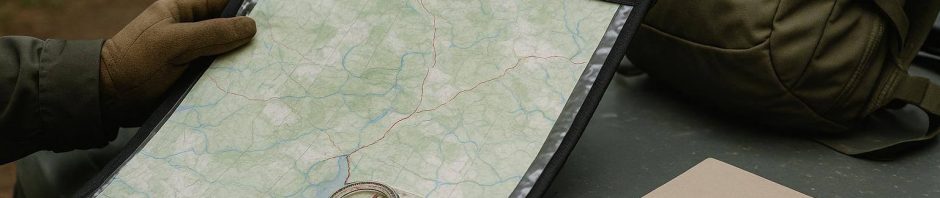
Turning your map into a plan for the field is important. Find the entrance decide where to stop plan the way to go and make a path to return that stops you from going into other lands. Having a route can save your life if things change unexpectedly.
Look at your map from both a picture and a close up. Be careful of roads and property lines as potential problems like fences or changes in the land that can make it harder to move. It is important to know that map marks might not be reliable as trails can disappear and fences can move.
Tell someone you trust about your plans, including the place you plan to hunt the entrance you will use. When you expect to be back. Make sure you have ways to communicate in places where phone signals might be weak.
Planning, for Animal Recovery
Recovery should always be part of your access planning. Think about where an animal could end up after you kill it and whether that place might need you to go through land, roads or water. Just because you can go to a place does not mean you have the right to go through land.
I have learned that if you need to get an animal on someones land it is best to ask for permission and understand the rules. A stop point, a partner who knows the borders and a way to mark the location can help prevent stress and possible disagreements when you have to get the animal. Always park in a place keep gates and roads open and do not block the ways for people living and land managers.
I have learned that before leaving you should quickly check your access records, official access pages, current rules, permits and any closure information. Pay attention to the weather, fire safety and the condition of the roads to your destination. Make sure that downloaded maps work when you don't have a signal. That paper copies are clear and easy to read.
I have learned that when you arrive you should check the conditions against your planned access points. Be ready to change your plan if things have changed; new sights might mean an entrance or a new start time. Being flexible at the beginning can stop problems later. It will help you handle the land and the situations you find, in the field better.